
Purpose and end users
Learning intentions
- describe the purpose of an outcome
- decide who are the potential users of your outcome
- write the purpose and potential users in your portfolio
Purpose
When we talk about the purpose of the outcome, we mean “what do we want this outcome to achieve?”
The purpose of a digital outcome falls into one or more of these categories:
- 📰 inform someone about something
- 🎓 educate someone about something
- 🎭 entertain someone
- 💬 persuade someone to take up my view point about something
- 🛍️ sell something to someone
- 👥 foster the community of people who are interested in something
The purpose of my outcome is to sell tennis balls to tennis players so that they can play tennis
How the purpose affects your outcome
Depending on what an outcome wants the user to do with the information, the outcome will be designed in different ways
For instance, if an outcome wanted you to give money to help research into a disease, they are likely to present you with images of
- smiling people in a laboratory or hospital
- happy people in recovery
- people outside, enjoying a healthy life
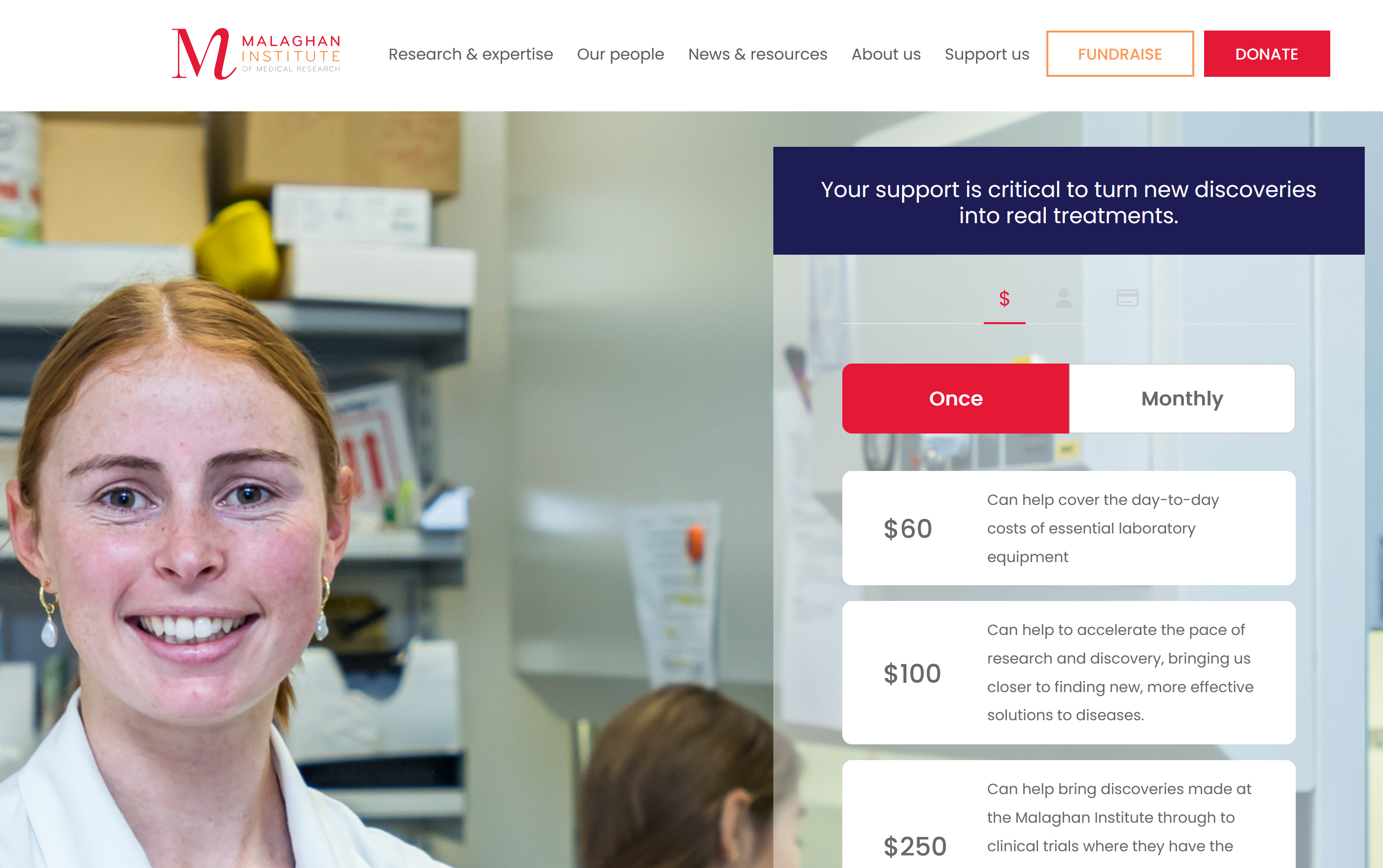
Do you think the campaign would be just as successful if the website only contained small, plain text? Probably not!
Choosing a tourism destination

A tourist destination isn’t just a location—it’s a reason to travel. Successful destinations would offer an experience people can’t get elsewhere.
You want to let your users know “why would I want to go there over anywhere else?”
Examples of tourism destinations

- Hobbiton: movie fans want to visit Middle Earth, see authentic filming locations, and immersive fantasy experiences.
- Queenstown: thrillseekers go for world-class extreme sports, bungee jumping, and the beautiful views.
- Rotorua: Māori traditions combined with the geothermal activity from the hot springs attract visitors worldwide.
Potential users
The potential users are the group of people that the outcome is made for, to help them achieve their goals
Depending on who the potential users are, the outcome might use different methods to display and communicate information
Think about:
- 🌏 locale: are the users from a particular part of the world?
- ⚧️ gender: are the users of a specific gender or group of genders?
- 👶 age: are the users a particular age or in an age range?
- 👥 sociocultural: do the users belong to specific social groups or cultures?
The users are 👥 Māori students aged 👶 12 to 19 of ⚧️ any gender from 🌏 Wellington.
My Instagram graphics will target high-school aged students 12-19 at Next Step High School, particularly boys.
Considering locales
A locale is a place where people come from or currently are. Some examples of locales:
- Aotearoa New Zealand (as opposed to the rest of the world)
- Wellington (one city, as opposed to the rest of the country)
- Johnsonville (one suburb, as opposed to the rest of Wellington)
- Next Step High School (one location, as opposed to any other location)
It’s important to consider the locale of your end users. For example, if you make a website promoting, say, New Plymouth, the choice of text and images might be different for people living in as opposed to outside of New Plymouth.
Considering gender
Gender doesn’t always factor into your digital outcomes; typically, people of all genders are the target of promotional campaigns for tourism.
However, certain tourism destinations mightn require specific thought around gender:
- in some places, male and female people have different roles or requirements for things like clothing, activities, etc.
- in Akihabara (Tokyo, Japan), female-presenting people have been the victim of upskirting (men taking photos up their skirts on stairways and escalators)
- people who identify as queer (transgender, non-binary, etc.) may find themselves in danger in certain places, so should be informed on how to stay safe
My TikToks will mainly target females as I plan to make them in the “Get Ready With Me” format as I apply make-up.
My website will target people of all genders, but will include information for female people around the strict gender-separation at hot pools.
Considering age
In your portfolio, ages are divide into ranges (i.e. 5 years old to 10 years old).
When you consider the age of your potential users, you must think about:
- at whom are you targetting your website? (young people who want to do fun stuff? working adults or retired people who want to relax?)
- what kinds of activities at the tourism destinations are appropriate? (conference centres for babies? rollercoasters for retirees?)
- what level of language is appropriate? (should it be easy to understand for children? adults?)
My game targets primary-school aged children (5-10) so they can learn the history of Parihaka interactively.
My posters are targeted to people aged 35-49 who might wish to take their families overseas.
Considering sociocultural aspects
‘Sociocultural’ refers to groups of people within society, such as:
- nationalities: what country a person comes from
- ethnicities: a group with shared language, culture, traditions, values, etc.
- linguistic communities: speakers of a given language within a community
- economic communities: how much money, particularly disposable income, people have
Thinking about these things affects the choice of language, images, design, and possibly interactivity (i.e. gameplay) that an outcome might employ to keep its potential users interested.
My website targets young Māori people looking to go on OE to Queensland, including inforamtion on where to find other Māori in the state.
My video series is aimed at native speakers of Urdu who wish to learn about Wellington before coming to New Zealand.
Task
- In small groups, brainstorm purposes and potential users you could consider.
- In your portfolio, write the purpose of your digital outcome.
- Choose at least two sets of potential end users, and explain how you will consider their locale, gender, age, and sociocultural group.
- You can write about locale and sociocultural group in the explanation box.
- There are drop-down menus for gender and age. You should still discuss how you will address them in the explanation box.